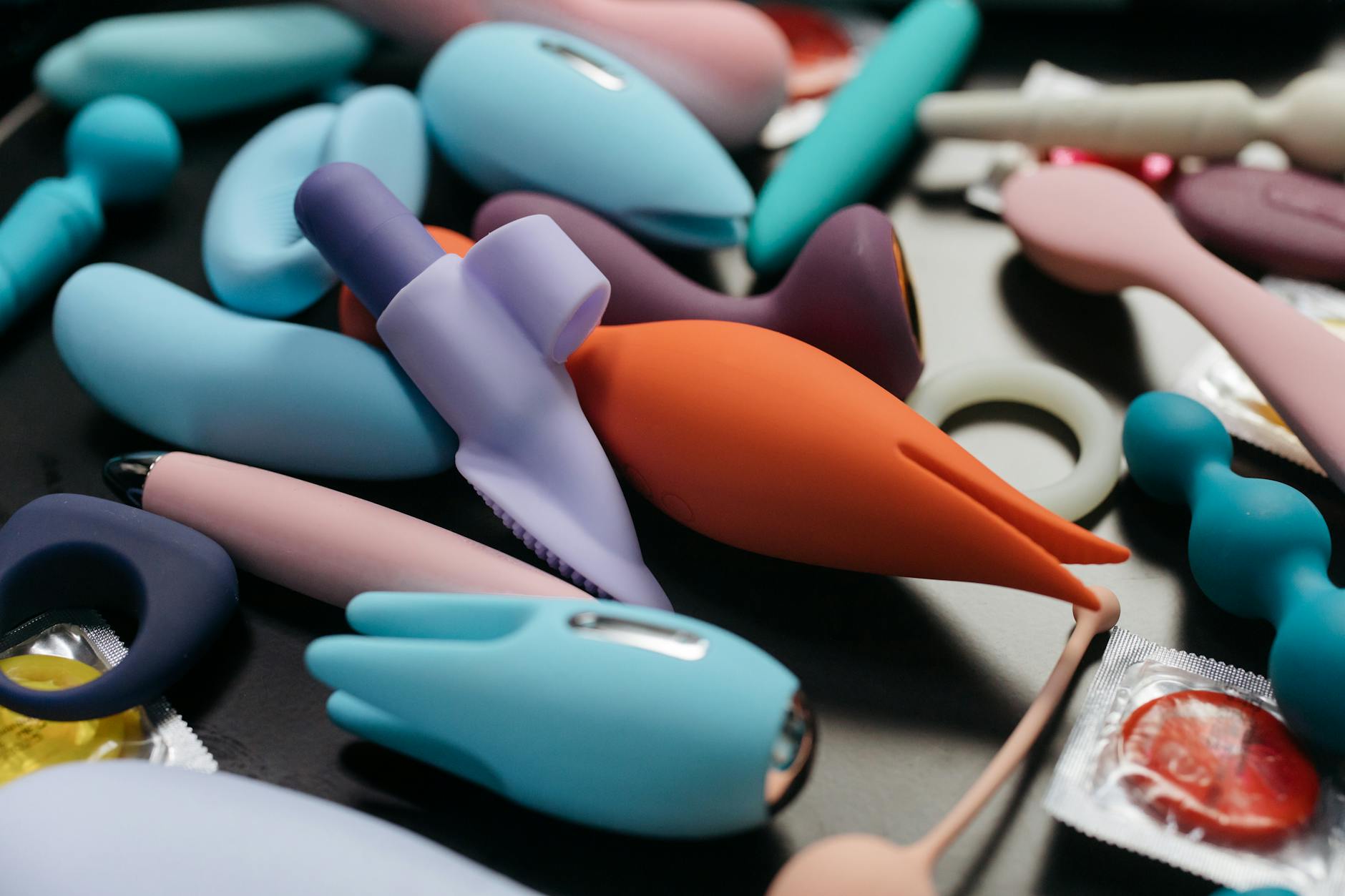
Let's talk about recovery that won't follow the roadmap
Recovery is supposed to be predictable. Surgery on Tuesday, cleared for activity by Friday, back to normal by month three. That's the script we're handed. Then your body decides it's working on its own timeline, and suddenly you're at week eight wondering why you're still experiencing fatigue, disconnection, or pain that your doctor said "should be better by now."
That's the reality for a lot of people returning to pleasure after extended recovery. And here's the thing nobody warns you about: pushing through on someone else's timeline doesn't speed healing. It often stalls it.
If you're navigating recovery that's moving slower than expected and you're wondering how to reconnect with pleasure without forcing it, the strategies shift. Your body needs patience. Your approach needs flexibility. And the right tools can actually help that happen.
Why recovery timelines get messy
Medical timelines are estimates based on uncomplicated cases. That's useful. It's also not your body.
Extended recovery after surgery can mean scar tissue that's still settling, nerves that are still waking up, or medications that linger longer than anticipated. Recovery from illness might leave you with fatigue that makes sustained activity feel impossible. Recovery from trauma often involves nervous system recalibration that doesn't follow medical markers at all.
All of that changes how pleasure feels in your body. Not temporarily. Sometimes for months.
The pressure to "get back to normal" sexually is real and it's relentless. Partners get impatient. You get frustrated with yourself. There's often a voice in your head saying you should be further along than you are. That voice is usually wrong.
Here's what I know clinically: the people who rebuild pleasure fastest after extended recovery are the ones who stop measuring themselves against the original timeline. They build a new one that matches their actual body, not the one they had before.
The physical reality of slow recovery
Three things typically happen during extended recovery that most people don't anticipate:
Your nervous system is recalibrating. After surgery, trauma, or prolonged illness, your nervous system spent time in protection mode. That doesn't flip off on a schedule. It gradually learns it's safe again. That means arousal might take longer to trigger. Sensation might feel muted or, paradoxically, too intense. Both are normal.
Sensation mapping has shifted. If recovery involved surgery or injury near sensitive tissue, your body's pleasure zones may have literally rerouted. The areas that used to feel amazing might feel different. New areas might surprise you with sensitivity. This isn't permanent, but it's real and it's disorienting.
Energy is finite. Extended recovery depletes more than just your physical reserves. Your nervous system, your attention, your emotional reserves. You might find that pleasure feels accessible for six minutes before everything shuts down. That's not failure. That's your body being honest about what it has available.
Why clitoral vibrators work differently during slow recovery
A good clitoral vibrator like the Lem serves a specific function when you're recovering slower than expected: it removes the labor from pleasure.
When arousal takes longer to build and your energy is rationed, manual stimulation becomes a burden. You're managing both your physical sensation and the physical effort of creating it. A vibrator handles the stimulation while your nervous system can focus entirely on whether it feels good.
That separation is powerful during recovery. It means you're not burning the limited energy you have on effort. You're conserving it for sensation.
The patterns and intensity matter too. Air-suction technology, which the Lem uses, stimulates without the friction that can feel jarring on tissue that's still recalibrating. It creates a different kind of pressure. For bodies in recovery, that gentleness often works better than traditional vibration.
How to rebuild pleasure when recovery is extended
Four principles guide this process:
Start with micro-sessions, not full explorations
You don't need 30 minutes. Five to ten minutes with a lemon clitoral vibrator, several times a week, teaches your nervous system that pleasure is still available while staying within your energy budget.
Use the lowest setting on the Lem. Start with just three to five minutes. Stop before you're depleted. The goal isn't orgasm. It's reconnection. Your body needs to remember that stimulation can feel good without being a production.
Separate pleasure from performance
If you have a partner, this conversation is critical. Extended recovery often exposes relationship friction because there's no room for performance. You don't have the energy to fake engagement or push toward an orgasm you can't reach.
Tell your partner: "I'm rebuilding this slowly. Some sessions will feel amazing. Some will feel like nothing. Both are useful information. Neither means something's wrong."
Then actually do sessions alone first. Solo exploration during recovery serves a function partnered sex can't. You're learning your own boundaries without the pressure to perform for someone else.
Work with fatigue, not against it
If you have a partner and they want to be involved, the setup matters. You lying down with full support. No pressure to move or reciprocate. The Lem in your hands or theirs, on the lowest setting, for as long as it feels good.
This is different from partnered sex. It's closer to partnered pleasure. And the distinction matters. Sex requires energy you might not have. Pleasure just requires presence.
Track what actually works (not what should work)
Keep notes. Not journal-style. Just: "Lem on setting 2, five minutes, mid-morning, felt good until minute four then overstimulated." Boring data is useful data.
After two weeks, patterns emerge. You'll know whether morning or evening works better. Whether five minutes or ten is your edge. Whether you need silent focus or gentle touch from a partner.
Recovery isn't random. Your body is teaching you something about how it works now. Listen to it instead of forcing it back into the shape it had before.
When recovery involves pain or numbness
If you're experiencing pain during sexual activity, stop and get that evaluated. Pain during recovery isn't always a sign to push through. Sometimes it's a sign something needs medical attention.
Numbness is different. Nerve recovery takes time. For some people, sensation gradually returns over months. For others, the sensation changes shape rather than fully returning.
If you're dealing with partial numbness, lemon vibrators can actually help. The suction sensation of air-pulse technology stimulates differently than you might self-stimulate. It can sometimes wake up areas that feel dormant.
But here's the key: if numbness is complete and unchanging after three months of gentle exploration, talk to your doctor. Sometimes physical therapy helps. Sometimes medication adjustments help. Sometimes what feels numb today becomes sensitive again with time. You need accurate information to know which path you're on.
The emotional part of slow recovery
Honestly, the emotional piece is often harder than the physical one.
When recovery stretches, there's grief. Grief for the body you had. Grief for the relationship dynamic that's shifted. Grief for the sex life that's paused. That grief is legitimate and it's completely separate from your ability to eventually rebuild pleasure.
Most people try to skip that stage. They jump straight to "let's get back to normal" without actually grieving what's shifted. That usually makes recovery slower because you're fighting your own emotional process.
So: feel the grief. Let it be there. When you're ready, explore gentle pleasure. The two can happen at the same time. They don't have to.
If you have a partner, they probably need to grieve too. Extended recovery isn't just about the person healing. It reshapes the dynamic for both of you. Couples therapy during this phase isn't a sign something's wrong. It's smart maintenance while everything's recalibrating.
When to push gently forward
There's a difference between "listening to your body" and "avoiding anything that feels uncertain."
Sometimes your body needs patience. Sometimes it needs gentle challenge. The distinction is subtle and it's personal.
If sensation is gradually returning and you're having more good sessions than flat ones, it's probably time to experiment slightly longer sessions or a higher setting on your lemon vibrator. If every session is depleting or painful, it's time to dial back and possibly get more medical input.
You can usually tell by what happens after. If you feel slightly energized or peaceful afterward, that's productive. If you feel wiped out or in more pain, you've gone too far for now.
FAQ
How long does extended recovery actually take?
It varies dramatically. Some people are back to baseline pleasure in four to six weeks. Others take four to six months. Some experience ongoing changes a year out. Medical recovery timelines are useful but they're not your timeline. Track your own progress and compare yourself only to last week's version of you.
Can I use a lemon vibrator if I'm in pain during sex?
Not until that pain is evaluated. Pain during recovery can mean healing is progressing normally (nerve reawakening, tissue reconfiguring) but it can also mean something needs medical attention. Get clarity from your doctor before resuming any stimulation.
What if my partner is frustrated with how slowly I'm recovering sexually?
That's a relationship conversation that's worth having with a couples therapist. Extended recovery tests relationships because both people are navigating grief and patience simultaneously. A third party helps you both feel heard without one person's frustration shutting down the other's healing.
Is it normal to feel numb after recovery?
Yes, especially in the first two to three months. Numbness during recovery often means nerves are recalibrating rather than permanently changed. Gentle, consistent exploration with a vibrator like the Lem can help wake up sensation without forcing it.
Should I be using a vibrator if I'm still recovering?
That depends on what you're recovering from. If it's surgery, check with your surgeon. If it's illness or trauma, the question is less about vibrators and more about whether any sexual activity is appropriate now. Generally, if your doctor has cleared you for sexual activity, gentle solo exploration with a vibrator is usually safer than partnered sex because you control the pace entirely.
How do I know if my recovery is going normally or if something's wrong?
Progress isn't linear but it should have direction. If things are gradually improving week to week, that's normal recovery even if it's slow. If you're exactly where you were four weeks ago, or if you're getting worse, that's worth raising with your doctor. Slow recovery and stalled recovery are different things.
The bottom line
Recovery that takes longer than the medical estimate isn't a failure. It's just recovery following your body's actual timeline instead of a template.
The people who rebuild pleasure most successfully are the ones who stop measuring themselves against external expectations and start listening to what their own body is actually saying.
Tools like the Lem help because they remove the effort from pleasure while you're rebuilding. They let your nervous system focus on sensation instead of performance.
But the real tool is patience. With your body. With your partner if you have one. With yourself.
Your pleasure is worth the time it takes. It doesn't have to arrive on schedule.