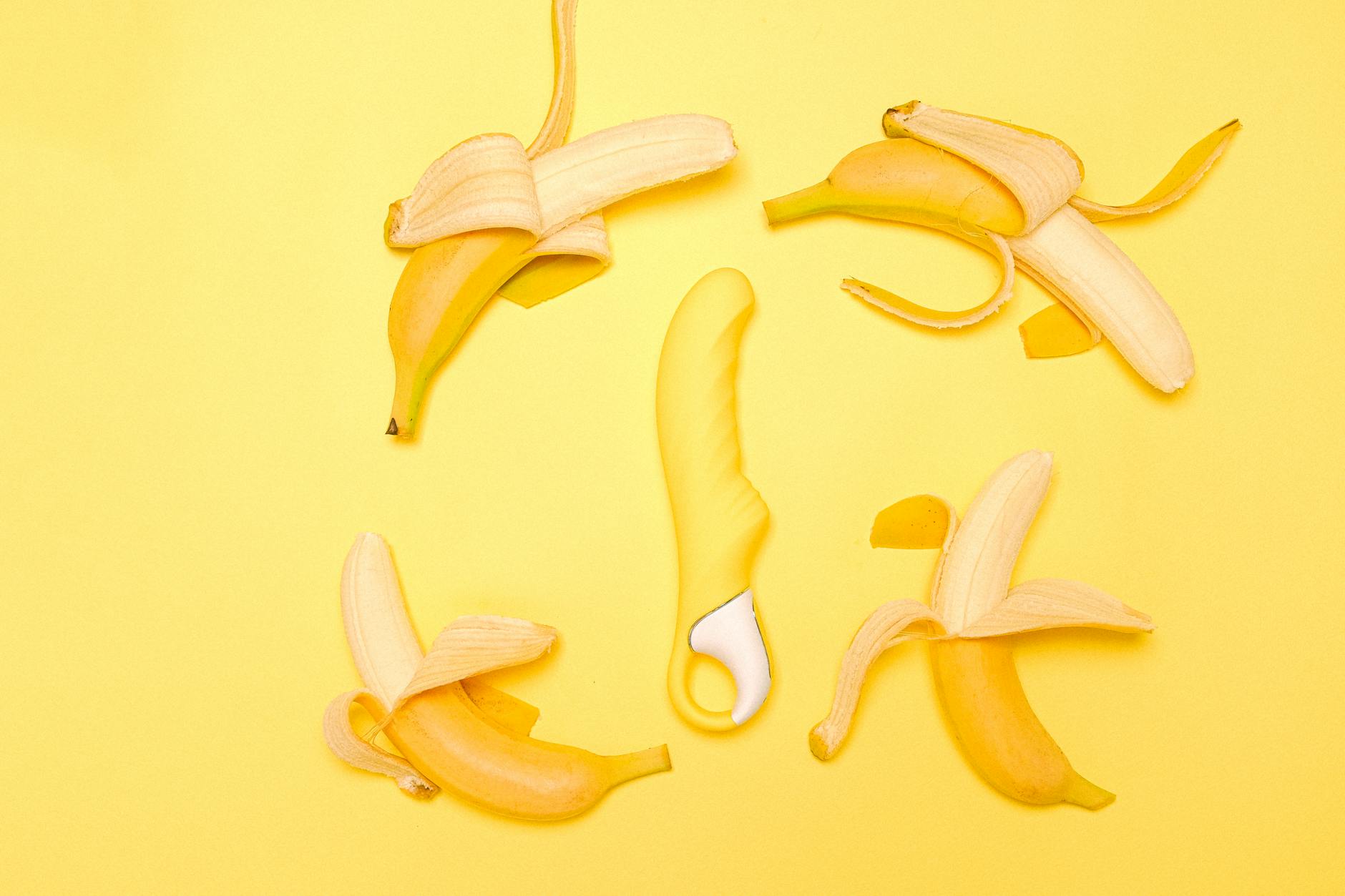
Let's talk about what actually changes when hormones shift
Vaginal dryness from hormonal changes is real, it's common, and it's not a sign that your body is broken. What it means is that your tissue is producing less natural lubrication because estrogen levels have dropped. That's a physical fact. What it doesn't mean is that pleasure is off the table. Far from it.
The nerve endings in your clitoris don't care about hormone levels. Your capacity for orgasm doesn't either. What does change is the friction experience and how quickly arousal builds. And that's actually fixable with three straightforward adjustments: lubrication strategy, technique tweaks, and a realistic warm-up timeline.
I've worked with hundreds of people navigating this transition, and the ones who adapt quickly report that their most satisfying experiences come after they stop trying to replicate what worked before and instead lean into what works now.
Why dryness happens and why lube is non-negotiable
Estrogen regulates tissue thickness and blood flow to the vaginal area. When estrogen drops through perimenopause, early menopause, or even certain birth control methods, the vaginal tissue becomes thinner and produces less lubrication. This isn't failure. It's biology.
Here's the misconception I hear most: "If I need lube, something's wrong." Wrong. Lube is a tool. People use lube for comfort, for intensity, for switching it up. Using lube when hormonal changes affect natural lubrication is exactly the same as wearing glasses when your eyes change. It's practical, it works, and it removes friction (both literal and emotional) from the experience.
For a lemon clitoral vibrator specifically, lubrication matters because the suction mechanism works best when there's a light seal between the toy and your body. Dryness can interrupt that seal and make the sensation feel less connected. A good lube layer fixes this immediately.
Which lubes actually work with lemon vibrators
Not all lubes are equal, especially when you're using silicone toys. Here's what I recommend:
Water-based lubes are your safest bet. They're compatible with silicone, they wash off easily, and they don't degrade your toy over time. Look for brands labeled "hypoallergenic" or "fragrance-free" to minimize irritation on sensitive tissue. Apply directly to the toy, not internally. A lemon vibrator only needs a thin layer.
Silicone-based lubes feel luxurious but damage silicone toys. They create a film that's impossible to fully wash off and can degrade the toy material over years. If you love the feel of silicone lube, use it only with non-silicone toys or stick to water-based alternatives.
Hyaluronic acid serums are a newer option and work well for dryness specifically. They're thicker than standard lubes and mimic the body's natural moisture more closely. They tend to be more expensive, but they're worth trying if standard water-based lubes feel too thin or wash away too quickly.
Don't overthink this. A good water-based lube is $8-15, lasts months, and solves the problem.
How to adjust your technique when tissue is thinner
When tissue is thinner and less lubricated, direct intense stimulation can feel uncomfortable or even slightly painful. Three technique shifts help immediately.
Start lower on the intensity dial. If you normally use patterns 4 or 5 on a lemon vibrator, begin at 1 or 2 and work up slowly over several minutes. Your tissue isn't numb or broken. It's just more sensitive to direct pressure when it's thinner. Lower intensity gives nerves time to warm up without overwhelming them.
Add a warm-up window. Arousal itself increases blood flow to the clitoris and helps tissue plump slightly with circulation. Budget 10-15 minutes of external stimulation before switching to the lemon vibrator. This isn't extra time wasted. It's foundation building. Your body needs that circulation time more than it did before.
Angle the toy slightly. Instead of direct perpendicular pressure, try angling the Lem at 45 degrees or moving it in small circles. This distributes sensation across a wider nerve area and reduces pressure on any single spot. Many people find this feels less intense and more pleasurable once dryness becomes a factor.
Why arousal takes longer and why that's okay
Estrogen affects the speed at which blood vessels in the genitals dilate during arousal. Lower estrogen means slower dilation, which means arousal builds more gradually. This isn't a problem to solve. It's information to work with.
People often interpret slow arousal as "I'm broken" or "I'm not attracted" when it's actually just a timeline shift. Your body is the same. It just operates on a different schedule. And honestly, that schedule often leads to longer, more integrated pleasure sessions.
When you stop fighting the slower build and instead plan for it, everything changes. You're not frustrated by pace. You're invested in the process. Some of my clients report that this shift alone transforms the experience from rushed to luxurious.
Pain during stimulation means you need to pause
There's a difference between "feels different than before" and "this hurts." If you experience sharp pain, stinging, or significant discomfort during or after using a lemon vibrator, that's a signal to stop and reassess.
Thinner tissue can sometimes develop small micro-tears from friction, especially if you're using higher intensity without adequate lubrication. This isn't permanent, but it needs rest. Take 2-3 days off from toy use, make sure you're using enough lube, lower your intensity, and if pain persists beyond that, talk to your doctor or a gynecologist who specializes in hormonal health.
Genitourinary syndrome of menopause (GSM) is real and treatable. If dryness is severe or causing pain, topical estrogen creams can help rebuild tissue thickness in 4-6 weeks. This is a legitimate medical option, and there's no reason to white-knuckle through discomfort when treatment exists.
The emotional piece that changes the game
Here's what I see happen most often: someone experiences dryness, assumes their sexuality is declining, and starts withdrawing from pleasure. That withdrawal becomes a self-fulfilling prophecy because arousal requires mental engagement and desire.
The shift happens when they reframe this as information, not failure. "My body needs more lube and more warm-up time" is neutral. "My body is broken" is a story. One of those stories leads to experimentation. The other leads to avoidance.
If you're partnered, this is the moment to separate the conversation. "I need us to extend foreplay" is different from "I'm no longer attracted." But they often get tangled together when hormonal changes hit. Untangle them. Talk about logistics separately from desire.
When to try different tools
Some people find that a lemon clitoral vibrator still works great with hormonal dryness if they adjust lube and technique. Others find that air-pulse toys like the Lem feel less intense than traditional vibrators and integrate better with thinner tissue.
If you've been using a lemon vibrator for years and it suddenly feels too strong, you have options. You could lower intensity permanently. You could alternate between two different toys. You could try a lemon vibrator when you prefer gentler sensation approach. There's no rule saying you have to use the same tool the same way forever.
That flexibility is actually where pleasure opens up. You're not forcing a square peg into a round hole. You're matching tools to your body's current reality.
FAQ
What's the best water-based lube for use with a lemon clitoral vibrator?
Any water-based lube works fine with silicone toys. Brands like Sliquid, Yes, and Aloe Cadabra are all solid. Look for "hypoallergenic," "glycerin-free," and "paraben-free." Avoid anything heavily scented or colored, which can irritate tissue. Apply a small amount directly to the toy, not internally. You need barely a quarter-sized dab.
How much warm-up time should I budget if hormonal changes affect me?
Aim for 10-15 minutes of external stimulation before using a lemon vibrator. This could be manual stimulation, a different toy, or just time spent with your partner. The goal is to get blood flow moving and let arousal build naturally. You might find you need even more time. That's fine. Listen to your body.
Can hormonal dryness cause pain when using any vibrator?
Yes. Dryness plus friction plus thinner tissue can cause micro-tears, especially with high intensity. If you experience sharp pain or stinging, stop immediately. Take 2-3 days off from toy use, increase your lube amount, and lower your intensity when you return. If pain continues, see a doctor.
Is vaginal dryness from hormonal changes permanent?
Not always. If it's from birth control, switching methods might help. If it's from perimenopause or menopause, it typically continues unless you're on hormone replacement therapy. But permanent doesn't mean unfixable. Lube, technique adjustment, and sometimes topical estrogen cream make pleasure fully accessible even with chronic dryness.
Should I use silicone lube instead of water-based lube with my lemon vibrator?
No. Silicone lube damages silicone toys over time. Stick with water-based lubes. They're cheaper, easier to clean, and fully compatible with your toy. The feel difference isn't worth the damage to your investment.
What if increased warm-up and lube don't help?
Talk to a gynecologist or your primary care doctor. Dryness that doesn't respond to lube might signal GSM, which responds well to topical estrogen cream. There's also oral medication options and systemic hormone therapy depending on your situation. You don't have to solve this alone.
The bottom line
Hormonal changes affect lubrication, tissue thickness, and arousal timeline. They don't affect nerve density, your clitoris, or your capacity for pleasure. When you adjust your approach to match what's actually happening in your body instead of fighting it, pleasure doesn't disappear. It transforms.
Add lube. Give yourself more warm-up time. Lower your intensity baseline. Move your toy differently. And stop assuming that change means loss. Often it's just a new chapter in the same story.
If dryness is severe or causing pain, reach out to us or talk to your doctor. You don't need to white-knuckle through discomfort. Better options exist.