Here's what nobody tells you about birth control and desire
Birth control is one of the most powerful tools we have. It's also one of the most common libido-killers on the market, and nobody warns you properly about it. You start a new pill, patch, or ring. Your skin clears. Your period becomes predictable. And then your desire just vanishes, replaced by what feels like emotional numbness or a permanent low hum of "meh."
The worst part? It's not in your head. It's not a sign the relationship is dying. It's chemistry, pure and simple.
The good news: reduced desire from birth control isn't the same as lost capacity for pleasure. Your body can still feel sensation, still build arousal, still have orgasms. What's changed is the spark, the initial drive. And that's actually fixable.
What hormonal contraception actually does to arousal
Most hormonal birth control works by suppressing testosterone and tweaking estrogen and progesterone levels. Testosterone isn't just a male hormone. People with vulvas produce it too, and it's the primary driver of sexual desire across all bodies. When contraception tanks testosterone, desire tanks with it.
But the suppression also affects the brain's dopamine and oxytocin systems. These neurotransmitters govern motivation, reward, and connection. Lower them, and you don't just lose libido. You lose interest in things that normally excite you. Food tastes less interesting. Your partner's touch feels neutral. Orgasms might still happen, but they feel distant, like watching pleasure from behind glass.
Here's what doesn't change: your clitoral nerve density. Your ability to experience sensation. The physical pathways for arousal. Your capacity for orgasm. Everything is still there. The access route is just a bit foggier.
The difference between desire and arousal (and why it matters)
Desire is the "I want this" part. Arousal is the "my body is responding" part. Birth control often tanks the first while leaving the second intact. This mismatch is confusing. You might not want sex, but if you start stimulation, your body can absolutely get there.
This is why the lemon vibrator works so well for people on hormonal contraception. You don't have to rely on desire to kick things off. The focused clitoral suction bypasses the "wanting it" stage and jumps straight to the neurological cascade that creates pleasure and sensation. Your body doesn't need to feel like it wants sex. It just needs direct, effective stimulation.
Many clients tell me they stopped waiting to feel horny and started using their lemon vibrator intentionally instead. Not as a fix for missing libido, but as a way to rebuild the connection between brain and body. After a few sessions of reliable pleasure, desire often creeps back in.
Why suction stimulation works better when desire is low
Think of how desire works. Normally, the sequence is: interest, then touch, then arousal, then pleasure. When birth control flattens the interest part, traditional vibration can feel like extra work. You're trying to force arousal through mechanical buzzing when the brain isn't on board.
Suction (like a lemon clitoral vibrator provides) works differently. It doesn't simulate sensation the same way. Instead, it engages the clitoral nerves through pressure changes, creating a unique neurological response that can feel more immediate, more present. People often report that suction feels "less effortful" than traditional vibration when they're in a low-desire state. It requires less mental buy-in to trigger physical response.
That makes it ideal when birth control has your motivation on mute.
Practical strategies for reconnecting with pleasure
Start with zero expectations. This is crucial. You're not trying to prove libido is still there. You're not trying to have an amazing orgasm. You're just gathering data on what feels good right now. If you get off, great. If not, that's also fine. The point is exploring sensation without the pressure of desire.
Use your lemon vibrator solo first. Partner sex adds performance pressure, which is the last thing you need when hormones are already muting motivation. Solo play lets you focus on physical sensation without anyone's expectations in the room. Try the lower patterns first. Let your body adjust to the suction before you crank intensity.
Extend your warm-up time. When desire isn't pulling you forward, your body takes longer to build arousal. Budget 15 to 25 minutes of exploration before you reach for the lemon vibrator. Touch yourself without it. Read or listen to something that interests you. Let your mind warm up before you expect your body to follow.
Reframe what sex means right now. Birth control can make partnered sex feel like a chore. Maybe it is for a while. That's okay. You're not broken. Your nervous system is just running on a slower baseline. Decide together: what would feel good right now, not what "should" feel good? Maybe that's solo play with a lemon clitoral vibrator while your partner reads nearby. Maybe it's them using it on you while you both talk. The goal isn't traditional sex. It's rebuilding pleasure as a felt experience, not a performance.
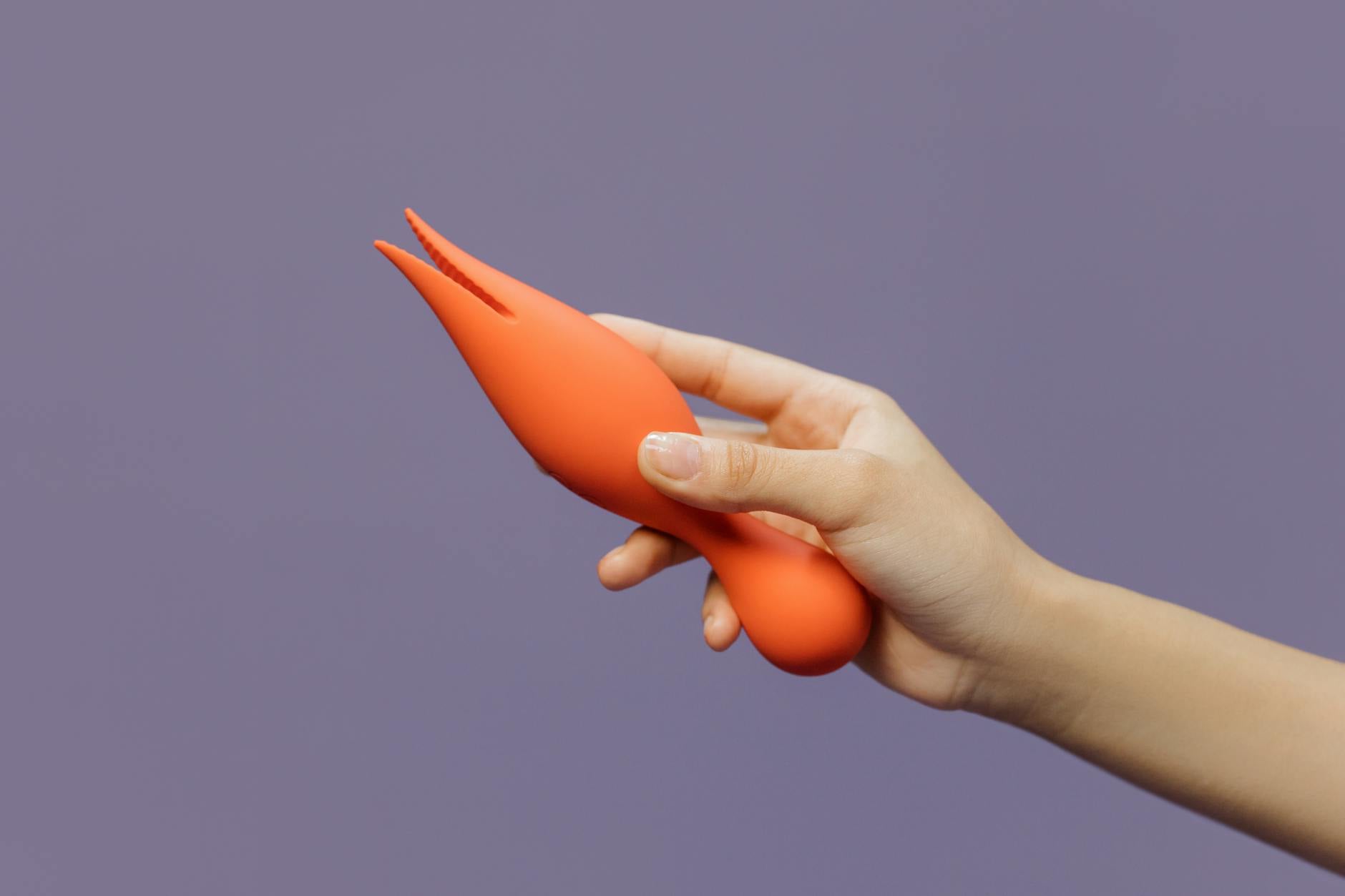
Photo by cottonbro studio on Pexels
When to consider switching your method
Not every birth control kills libido equally. The copper IUD (non-hormonal) won't tank your desire the way hormonal pills or patches might. The progesterone-only pill causes fewer side effects than combined pills for some people. Some methods hit you harder than others.
If your libido dropped immediately after starting a specific contraceptive and hasn't improved in three to four months, talk to your doctor about switching. You don't have to white-knuckle through a year of dead desire. There are options. Sometimes it's just finding the right formulation.
But here's the thing: even if you switch methods eventually, rebuilding the pleasure circuit now matters. Your brain has learned "sex = effortful" while on this contraceptive. Once you switch, it doesn't automatically revert. Using a tool like a lemon vibrator to create reliable, accessible pleasure helps rewire that association. You're training your nervous system to remember that sensation is available to you. That matters more than the method itself.
The partner conversation that actually helps
If you're in a relationship, your partner might be wondering if the low desire is about them. It's not. But saying "it's the birth control" can feel dismissive to both of you.
Instead, try this: "My body is running on a different chemical baseline right now. That means I need us to approach sex differently for a while. Here's what that looks like." Then be specific. Maybe you want fewer initiations and more planned time. Maybe you want how to use a lemon vibrator when partner pressure affects your enjoyment as a starting point instead of diving into partnered sex. Maybe you want to focus on solo exploration for a month and then rebuild from there.
The key is: you're not broken. Your birth control is doing its job. You and your partner are just recalibrating what pleasure looks like under these new conditions. A lemon suction vibrator can be part of that recalibration.
Rebuilding desire takes time (and that's normal)
If you stay on your current contraception, desire might creep back as your body adjusts. Many people report that the first three to six months are the roughest, and things level out after that. Your nervous system is resilient. It adapts.
In the meantime, don't wait for desire to come back before you experience pleasure. That's backwards. Use your lemon vibrator. Build the neurological pathway that says "this feels good." That becomes the seed that grows back into desire. You're not forcing libido to return. You're creating the conditions where it can come back naturally.
Meanwhile, reliable orgasms matter. They improve mood, sleep, and stress resilience. They remind you that your body is still yours. That's not a consolation prize. That's actual medicine.
When birth control and other factors pile up
Sometimes reduced libido isn't just the birth control. Stress, relationship friction, burnout, or past trauma all suppress desire independently. If your libido was already fragile before you started contraception, the hormonal hit might be the final straw.
In that case, a lemon clitoral vibrator helps with the physical piece, but you might also need support with the other stuff. A therapist who understands both trauma and sexuality can help you separate the layers. You're not trying to fix everything at once. You're just building one reliable path back to sensation while you work on the rest.
FAQ: Birth Control, Desire, and Lemon Vibrators
Can a lemon vibrator actually bring back libido that birth control killed?
Not directly. A vibrator can't restore testosterone or rewire your dopamine system. But here's what it does: it creates a reliable pathway to pleasure and orgasm that doesn't depend on desire. Over time, that repetition can help your brain rebuild the association between arousal and reward, which is where desire lives. Think of it as building a bridge back to the capacity that's still there, just muted.
How long does it take to feel normal libido again after starting birth control?
It varies wildly. Some people adapt in a few months. Others find the suppression persistent after a year. If you're still in the first three to four months, give it time. If you're a year in and still feel completely flat, talk to your doctor about switching. There's no virtue in suffering through a contraception method that tanks your wellbeing.
Should I use a lemon vibrator solo or with a partner when my libido is low from birth control?
Start solo. Partner sex adds performance pressure right when your motivation is already low. Solo exploration with a lemon suction vibrator lets you rebuild the sensation circuit without anyone else's expectations in the room. Once you feel confident again, you can bring a partner into the picture.
Why does suction stimulation feel different from regular vibration when I'm in a low-desire state?
Suction engages clitoral nerves through pressure changes rather than mechanical vibration. For people with dampened desire, this can feel more direct, more immediately pleasurable, and less dependent on mental interest. You don't have to want it for your body to respond. That can be genuinely freeing when hormones have your motivation on mute.
Can switching birth control methods really restore libido that's been killed?
Sometimes, yes. The copper IUD doesn't affect hormones, so it might feel like flipping a switch. A different hormonal formula (like a lower-dose pill or a progesterone-only method) might hit lighter. But not every method works for every person. Talk to your doctor about the options. And while you're evaluating: use your lemon vibrator to rebuild pleasure. You'll want that restored sensation no matter which method you choose.
What if my partner is pressuring me for sex when I have low libido from birth control?
This is a bigger conversation than just birth control, and it matters. Low desire is a legitimate reason to slow down partnered sex. You don't owe anyone access to your body, even in a committed relationship. If your partner can't respect that, that's a relationship issue, not a desire issue. Consider talking to a couples counselor who specializes in this. The birth control didn't create the problem. It just exposed it.
The bottom line: Pleasure is still available to you
Birth control can suppress desire. It can't suppress your capacity for sensation or orgasm. That's still fully yours. A lemon vibrator lets you access that capacity on your own terms, without waiting for desire to show up first. Over time, as you rebuild the pleasure circuit, desire often follows.
You're not broken. Your contraception is doing what it's designed to do. You're just working with a different baseline for a while. That's manageable. And it's temporary—whether you switch methods, your body adjusts, or you find new ways to approach pleasure that work with your current chemistry.
If you're ready to explore what reconnecting with pleasure looks like right now, that's what a lemon vibrator is for. Start solo. Be patient with yourself. And remember: you don't need to feel like you want sex to feel pleasure. Your body knows how to do this. You're just giving it the right tool.
Have questions about how to move forward? Reach out anytime.