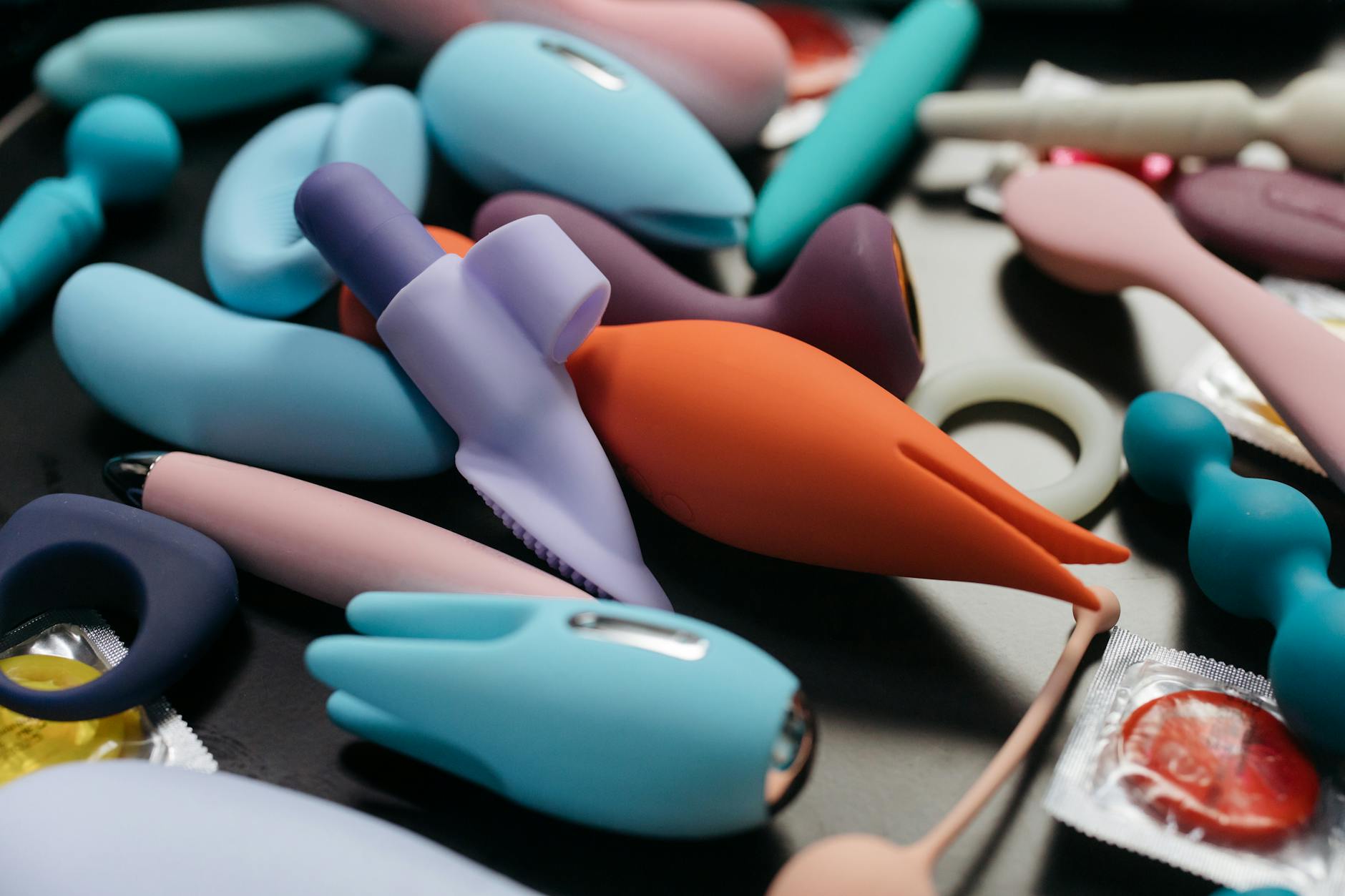
How to Use a Lemon Vibrator With Your Partner When You Feel Self-Conscious
The awkwardness you're imagining is bigger than the awkwardness that will actually happen. Here's how to introduce it, own it, and move past the discomfort into real pleasure.
You're imagining that the moment you pull out a lemon vibrator, your partner will suddenly see you differently. That you'll look desperate, or needy, or like you're admitting something shameful about your body. What actually happens is: they're just going to want to help you feel good. That's it.
I've worked with hundreds of couples navigating this exact moment, and the shame usually dissolves within about ninety seconds. The hard part isn't what happens next. The hard part is the conversation before.
Self-consciousness during partnered sex usually isn't really about the toy. It's about a story you've been telling yourself for years. Maybe it's "I should be enough," or "Good partners don't need help," or the big one: "If I ask for what I want, I'm being difficult."
A lemon vibrator makes those stories visible. And that's actually the gift of it.
When you use a clitoral vibrator with a partner, you're not failing at sex. You're being honest about how your body works. And that honesty is what builds actual intimacy. Not the myth of effortless connection. The real thing.
Don't pull out a lemon clitoral vibrator mid-sex and expect your partner to be thrilled. Do have a conversation when you're both clothed, both calm, and neither of you is expecting sex.
Start with context, not apology. Try something like: "I've been thinking about ways to make sex feel better for me. I'd like to try using a vibrator when we're together. I'm a bit nervous about it, but I think it could be really good for us."
Note what you did there: you named your nervousness instead of hiding it. You made it about both of you, not just you. You positioned it as an experiment, not a complaint.
Then be quiet. Let them respond. They might have questions. They might feel a little awkward too. That's normal. The goal isn't for them to be instantly enthusiastic. The goal is for them to understand that you want this, and that you're willing to be vulnerable about it.
"They'll think I'm not satisfied with them." What you mean: "Will this hurt their ego?" Probably a little. That's okay. Their ego doesn't need protecting from the truth about your body. And honestly, knowing what actually makes you come is sexy to most people. It's the opposite of rejection.
"They'll feel like they're being replaced." What you mean: "What if the vibrator is better?" Here's the actual news: it probably will be, in one specific way. A lemon clitoral vibrator is extraordinary at direct clitoral stimulation. Your partner's mouth, hands, and presence are extraordinary at other things. You need both. Frame it that way.
"I'll feel weird using it in front of them." What you mean: "I feel weird about my own pleasure." That's the real thing to address. And that weirdness usually comes from being raised to believe that pleasure is something that should happen to you passively, not something you actively claim. Using a vibrator with a partner is the antidote to that.
You'll probably still feel a bit self-conscious. That's fine. Self-consciousness and pleasure can coexist. You're not aiming to feel like a porn star. You're aiming to feel like yourself, turned on, being witnessed by someone you trust.
Start with lower intensity. Introduce the vibrator gradually, the same way you would in solo play. Let your partner watch, but don't perform. There's a difference. Performing is about them. Watching and feeling pleasure is about you.
If your partner wants to participate, let them hold the vibrator, or have them touch you in other places while you use it. This breaks the illusion that you're replacing them. You're literally bringing them into the experience.
This is the piece that actually matters most. While you're using a lemon vibrator with your partner, there will be a voice in your head saying something like "This is weird" or "Are they judging me?" That voice is a liar.
Here's a hack I teach my clients: before you start, write down what that voice says. "I look desperate." "They think I'm broken." "This is embarrassing." Then explicitly decide: "That's a thought, not a fact. I'm going to feel good anyway."
Your body doesn't care what the voice thinks. Your body just wants to come. Let it.
The weirdest part is often after. You might feel vulnerable. You might want to crack a joke to release tension. All of that is normal.
A simple conversation: "That felt good. I'm glad we tried it." That's it. You don't need to debrief like therapists. You don't need to make it a whole thing. You just need to normalize it. Which means using it again. And again.
The self-consciousness fades exponentially. By the third or fourth time, you'll stop thinking about whether you look weird and start thinking about how good the sensation is.
Some partners need a minute. They might worry about inadequacy, or they might have been raised with weird ideas about what "real" sex looks like. If that's happening, the conversation isn't over.
Try this: "I love what we have. I also know that my body responds really well to vibration. Using a lemon vibrator isn't about you. It's about me discovering what feels good, and you get to be part of that. What would help you feel better about it?"
Listen to what they actually say. Sometimes it's logistics (they want to understand how it works). Sometimes it's philosophy (they need reassurance that this isn't a replacement). Address that specific fear, not your interpretation of it.
If they stay resistant after a genuine conversation, that's different data. But most of the time, the resistance is just unfamiliarity. Unfamiliarity dissolves with conversation and time.
Here's what I want you to hear: the fact that you feel self-conscious about using a lemon clitoral vibrator with a partner means you care about the relationship. You care about being perceived a certain way. That's not weakness. That's tenderness.
But tenderness sometimes means being brave enough to be seen. To say "Here's how my body works. Here's what I need." And to let your partner say "Okay, show me."
Stop. Pause. You don't have to power through embarrassment like it's a badge of honor. Tell your partner: "I'm feeling a bit shy right now. Can we take a beat?" Then restart when you're ready. Your comfort matters more than the orgasm. Usually, taking a thirty-second pause and remembering that your partner wants you to feel good is enough to reset.
Show them the actual object. Don't make it mysterious. "This is a lemon clitoral vibrator. It works like this. I think it would feel good if we used it together." People fear what they don't understand. Understanding removes a lot of the strangeness.
Completely normal. And completely untrue. A vibrator is a tool that helps your body respond. Using it with a partner is partnered sex. Using it alone is solo sex. The difference is who's in the room. The vibrator doesn't change what kind of sex it is.
This is a negotiation, and it's a good one to have. Some people feel more comfortable having control. Some people like being touched by a partner while the vibrator does its work. There's no right answer. Figure out what makes you feel safe and desired, and ask for that.
For most people, it fades noticeably by the second or third time. By the fifth time, it's usually just a background hum rather than a scream. If it's still strong after several attempts, check in with yourself about what the real fear is. Sometimes it's not about the vibrator at all.
That's different. That's not self-consciousness. That's a boundary issue. Before you introduce a vibrator, you might need a conversation about respect and support. You deserve a partner who's curious about your pleasure, not judgmental about it. If you're not sure how to have that conversation, talking to a couples therapist can really help.
Using a lemon vibrator with your partner when you feel self-conscious is an act of trust. Trust in your body. Trust in your partner. Trust that pleasure is a good thing to want, and that wanting it doesn't make you broken or difficult or unlovable.
The self-consciousness will probably show up. So will the pleasure. Both can be true.