Let's name the real problem
Performance anxiety in bed isn't about desire. It's about the feeling of being watched, evaluated, tested. Your partner worries they're not doing enough, not lasting long enough, not making you come fast enough. That worry becomes a wall between you both. Sex stops feeling like connection and starts feeling like a job interview where neither of you knows the right answers.
Here's the thing: a lemon vibrator doesn't fix anxiety. But it fundamentally changes what sex has to accomplish. And that shift can be everything.
Why performance anxiety gets worse with pressure
When a partner has performance anxiety, the subtext of sex is "I need to prove myself." Every moment becomes about their ability to perform. Ironically, the more a partner tries to reassure them ("You're fine, don't worry"), the more the anxious partner feels their concern is being dismissed. They hear "you're failing at something I have to minimize."
Introducing a lemon clitoral vibrator changes that narrative completely. Suddenly, sex isn't about one person delivering pleasure to another. It's about both of you accessing pleasure in a way that takes the performance pressure off the table. Your orgasm isn't contingent on their technique anymore. Their self-worth isn't tied to whether you finish.
This is not a small thing. Clinical research on couples therapy shows that removing the pressure to "deliver" is often the first step toward genuine reconnection.

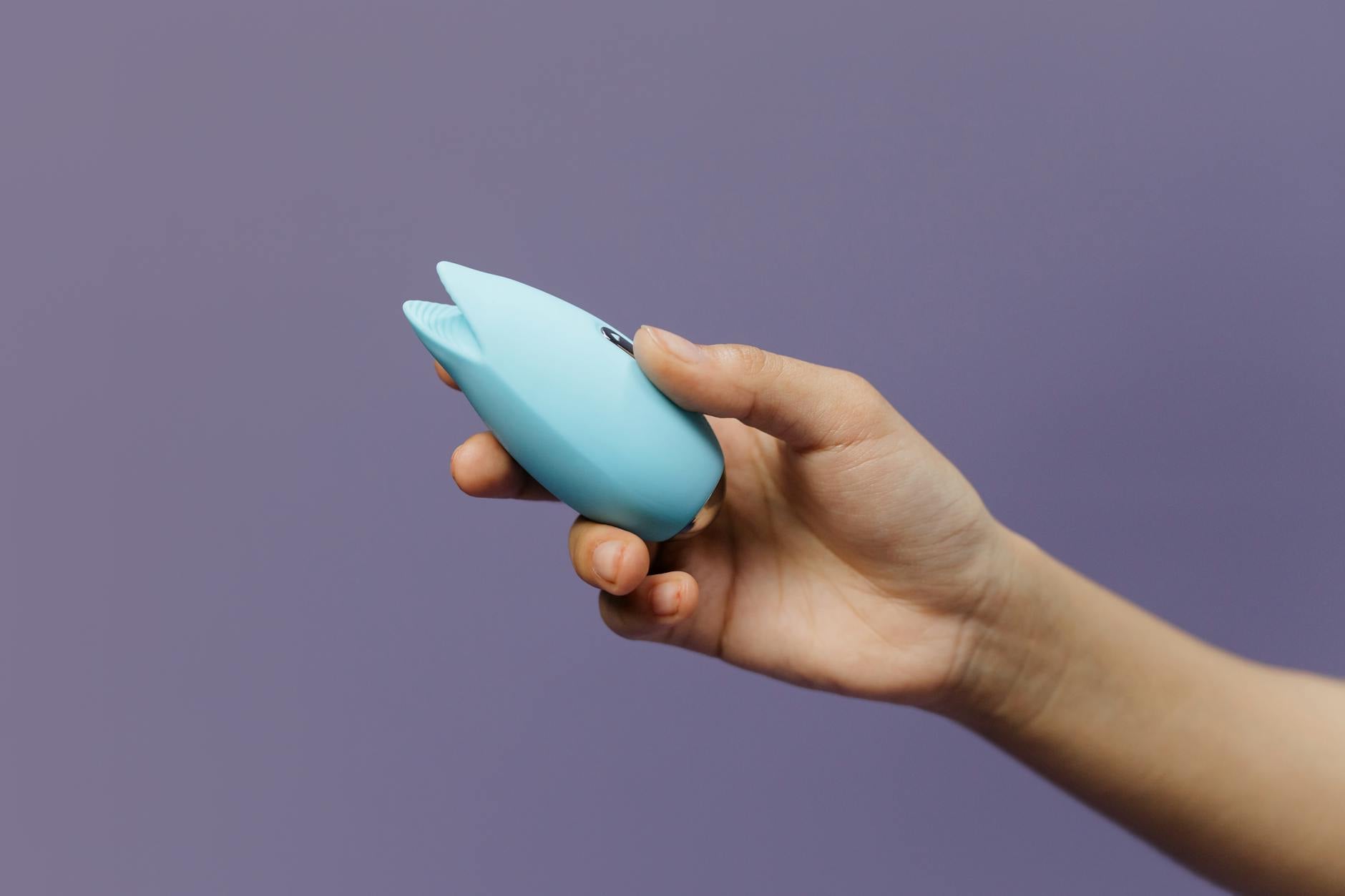
Photo by cottonbro studio on Pexels
How to introduce it without making it about the problem
Don't say: "I got this because you're anxious about sex."
Do say: "I've been curious about exploring this together. Want to try it?"
The difference is subtle but crucial. One frames the vibrator as a solution to a problem they have. The other frames it as exploration you're doing together. Framing matters because shame and anxiety are already in the room. You're not trying to medicalize the experience or make your partner feel like there's something to fix about them.
If they're resistant, don't push. Some people need to see toys as optional extras, not necessities. Let it sit for a few weeks. Many partners come around once the initial defensiveness softens.
The setup that actually works
When you're ready to incorporate a lemon vibrator together, here's what changes the dynamic:
Start with it solo first. Use your lemon clitoral vibrator on yourself while your partner watches or participates without the pressure to "do" anything. They can touch you elsewhere, kiss your neck, be present. But the primary stimulation isn't on them. This sounds simple, but psychologically it's huge. Your partner gets to witness your pleasure without being responsible for it. That's deeply relieving.
Then collaborate gradually. After a few sessions, your partner might apply the vibrator while you guide them. The suction sensation of a lemon vibrator is different from friction, which means they're not "performing" in the way that triggers anxiety. They're operating a tool with you, not trying to manually create the right sensation. Less pressure on their body, less performance narrative.
Focus on the rhythm, not the outcome. Talk about patterns and speed without talking about whether you're going to orgasm. "I like pattern 3 at this pressure" is information, not evaluation. Your partner stops thinking "Is this working?" and starts thinking "Okay, this is what she prefers." Anxiety thrives on ambiguity. It dissolves with clarity.
What changes when you stop making orgasm the goal
One reason performance anxiety sticks around is that sex has a visible finish line: orgasm. Your partner feels like they're either helping you cross it or failing. With a lemon vibrator in the picture, the goal shifts. You're exploring sensation together. Some sessions end in orgasm, some don't. Either way, the intimacy happened.
This is when real reconnection starts. Your partner begins to understand that their presence and attention matter more than their performance. Sex becomes something you do together, not something they do for you.
The conversation that actually helps
If your partner's anxiety is severe, a check-in outside the bedroom matters. Not "Let's talk about your sexual performance," which will make them defensive. Instead: "I've noticed sex feels tense lately. I want us to enjoy this again. Can we talk about what would help?"
They might say they feel watched, judged, or like they're never doing enough. Listen. Don't defend yourself. Then share your actual truth: "I enjoy being with you. That's what I want from sex, not a specific outcome." If you use a lemon vibrator, add: "I think using a toy together takes some pressure off both of us. It makes this about us, not about your ability to deliver."
Read more on how couples navigate toy introduction in our guide on using a lemon vibrator when first exploring toys with a new partner.
When the anxiety runs deeper
If performance anxiety is severe enough that it's preventing sex altogether, or if your partner refuses to engage, a couples therapist trained in sex therapy can help. This isn't weakness. Anxiety that's locked intimacy down often needs professional support to untangle.
Meanwhile, a lemon vibrator can be a bridge. It signals to your partner that sex can evolve, that you're willing to experiment, and that pleasure doesn't have to look like it did before. Sometimes that signal alone is enough to start shifting the dynamic.
The actual benefit nobody talks about
Here's what tends to happen after a few months of using a lemon clitoral vibrator together: your partner's anxiety often softens. Not because the vibrator magically cured them, but because sex stopped being a performance they were being graded on. Pleasure became collaborative. And when sex feels collaborative instead of evaluated, anxiety loses its grip.
Many couples also report that they're more playful, more curious, and more willing to try other things together. The vibrator wasn't the fix. It was the permission slip. It said "Sex can be different now. We can try things. We're not locked into one way of doing this."
People also ask
What if my partner thinks a vibrator means they're not enough?
This is the fear underneath a lot of resistance. They think the vibrator is a commentary on their ability. The reframe: "This isn't about replacing you. It's about us exploring together. I want your hands, your presence, and the vibrator. All of it." Use a lemon vibrator in a way that keeps your partner involved. They're applying it, guiding it, or touching you while you use it. Make it a three-person scene, not a replacement scenario.
Should we use it every time we have sex?
No. Vary it. Some sessions use it, some don't. This prevents it from becoming a crutch and keeps sex from feeling routine. It also takes pressure off your partner to "need" the vibrator to make sex work. The vibrator is an option, not a requirement.
Can a lemon vibrator actually reduce performance anxiety long-term?
Indirectly, yes. Not because of the vibrator itself, but because of what changes when sex stops being about performance. Once your partner experiences sex as something collaborative and low-pressure, that experience lingers. The anxiety often doesn't return to the same intensity. But the vibrator alone won't cure clinical anxiety. That takes time and often professional support.
What if my partner wants to use it on themselves while we're together?
That's actually a great sign. It means they're comfortable with it. Let them. Some partners find that having a specific tool they control helps them relax. Their anxiety might be partly about feeling out of control. A vibrator they operate gives them agency. That's healthy.
How do I know if we're ready for this conversation?
You're ready when you can talk about sex without defensiveness on either side. If conversations about intimacy tend to turn into arguments, work on communication first. A couples therapist can help. Then introduce the vibrator idea when you're both in a place where you can hear each other.
Does a lemon vibrator work better than other toys for anxiety-prone partners?
Lemon vibrators, like clitoral vibrators generally, create a specific sensation that many people find easier to control and adjust than other toy types. The precision and pattern options mean you're not relying on manual skill, which reduces performance pressure. They're particularly good for couples where one person is anxious because they take the "Am I doing this right?" question off the table.
The real shift
Performance anxiety thrives when sex is about proving something. A lemon clitoral vibrator doesn't solve anxiety, but it fundamentally reframes what sex has to accomplish. It stops being a test and starts being an experience you're sharing. That shift, small as it might sound, is often where real reconnection begins.
If you're exploring this path and want more guidance on how to navigate toy use with a partner, our guide on communicating about toys when partners have different comfort levels offers additional perspective. And if you're looking for practical patterns and techniques, check out our breakdown of lemon vibrator patterns for different types of stimulation.
Start small. Stay curious. Let sex be collaborative. That's where the real work happens.