Here's what no one tells you about solo sex after years together
When you've spent a decade or two having sex with the same person, switching to solo play can feel weirdly unfamiliar. Your body learned a rhythm that depended on someone else's timing, pressure, and cues. Suddenly you're the choreographer, the performer, and the audience all at once. That can feel awkward before it feels freeing.
This is completely normal. And it's fixable.
Why solo exploration feels different (not wrong)
There's a reason partnered sex and solo sex use different parts of your brain. With a partner, you're managing two nervous systems at once. You're reading their body, managing their pleasure, staying present for them. That creates a very specific mental groove.
When you're alone, that external focus drops away. Suddenly you're hyperaware of every sensation in your own body. Some people find this intensely pleasurable. Others find it overwhelming or even self-conscious at first. Both reactions are completely valid.
What often happens in longer partnerships is that solo sex becomes secondary, deprioritized, or disappears entirely. You're not broken if you feel rusty. Your nervous system just needs a gentle reminder that self-pleasure is a legitimate form of play, not a consolation prize.
Why lemon vibrators specifically work for this transition
A lemon clitoral vibrator like the ones Try Lemon Toys makes is brilliant for rediscovering solo play because it takes the pressure off you to generate rhythm and intensity yourself. Instead of focusing on "am I doing this right," you can focus on what actually feels good to your body in this moment.
The suction mechanism on a lemon vibrator also creates a different sensation than friction-based toys or fingering. This newness can help your nervous system reset. You're not recreating partnered sex. You're exploring something genuinely different. That distinction matters psychologically. It lets you step out of the "this is what sex feels like" groove and into genuine discovery.
Start with the lowest intensity setting. Your clitoris has probably had a very particular type of stimulation for years. Introducing something gentler and more focused often feels revelatory.
The mental reset you actually need
Let's separate the physical from the emotional for a second. Using a lemon sucker or any vibrator isn't about fixing your body. It's about reclaiming time and attention for yourself in a way that probably stopped happening during partnership.
Solo time is not the absence of your partner. It's the presence of you. And if you've been in a couple for a long time, you might have forgotten what that feels like.
Start by scheduling it the way you'd schedule anything important. Not because it sounds clinical, but because your brain respects what you put on the calendar. Even 20 minutes on Sunday morning, no phone, no distractions, just you and the toy. You're not trying to come every time. You're trying to remember that this is your time.
How to actually use your lemon vibrator when you're restarting
Three things make the difference between awkward and genuinely pleasurable.
First: Set the environment right. You need privacy, comfort, and zero pressure to perform. This might mean locking the door, turning off notifications, even lighting a candle if that helps your nervous system settle. Your brain needs to know it's safe to relax.
Second: Start slow and intentional. Wear it on the lowest setting initially. Spend five to ten minutes just exploring how different intensities feel on different parts of your clitoris. The sides. The hood. Direct. The glans. Everyone's responsive map is different. You're not trying to reach a specific outcome. You're gathering data about your own body.
Third: Don't chase an orgasm. Okay, this one's counterintuitive. When you've been in partnership for years, orgasm often felt like the point, the finish line, success. Going solo means you can redefine what pleasure actually is. Sometimes it's a full release. Sometimes it's ten minutes of deep relaxation. Sometimes it's realizing your clitoris feels more alive than it has in months. All of those count.
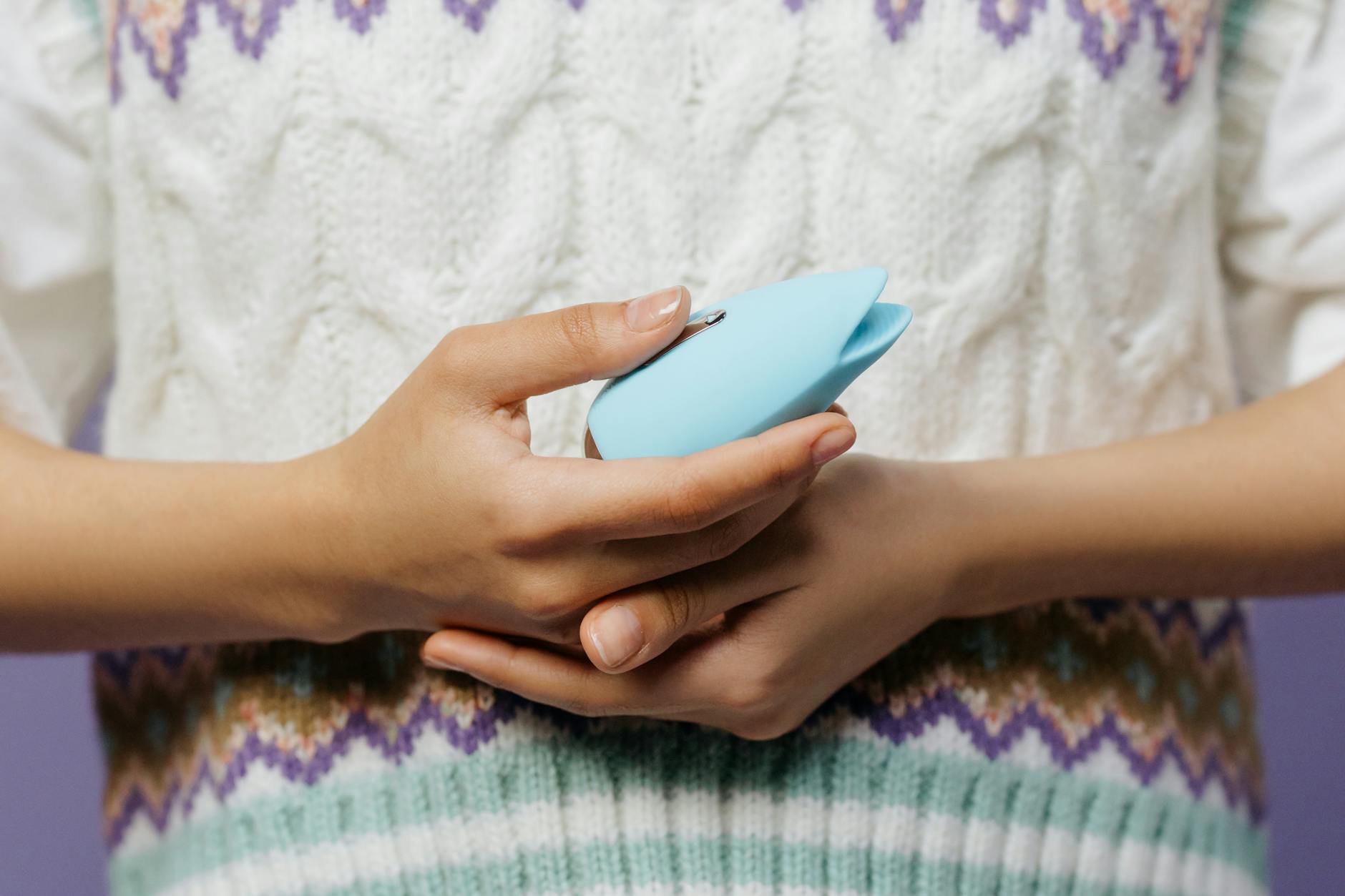
Photo by cottonbro studio on Pexels
What happens when you reconnect with solo pleasure
Here's the thing that surprised most of the people I've worked with in this situation. Rediscovering solo pleasure doesn't replace partnered pleasure. It actually improves it.
When you know your own body again, when you've spent time alone and remembered what turns you on without anyone else in the room, you bring that knowledge back into partnership. You can communicate more clearly. You can ask for what you actually want instead of what you think you should want. You're not relying on your partner to figure out your pleasure. You're a collaborator in your own satisfaction.
That's a fundamentally different dynamic than what existed before. And it's almost always better.
Common friction points and how to work through them
If using a lemon vibrator feels strange at first, that's worth examining instead of pushing past it.
Weirdness often comes from residual beliefs about what solo sex means. If partnership taught you that your pleasure should be for your partner, or that solo sex is somehow less legitimate, that old narrative is going to resurface. Notice it. Question it. Replace it with: my pleasure is valid whether anyone else is in the room or not.
If the toy itself feels overwhelming, try this. Hold it in your hand without turning it on. Just touch it to your skin. Let your body get used to the sensation and temperature for a couple of sessions before even powering it on.
If you feel stuck in your head during solo sessions, try a brief grounding practice first. Five minutes of deep breathing, or five minutes of noticing five things you can see, four things you can touch, three things you can hear. Getting out of performance mode and into sensation mode is the shift that matters.
When partnered sex becomes part of solo exploration
Eventually some people want to bring their new solo knowledge into partnered sessions. This is where communication happens.
You might say something like: "I've been exploring solo, and I've realized my clitoris responds better to gentler pressure than we've been using." Or: "I want some time to do my own thing with a toy while you're there." Or even: "Let's both use toys and see what that feels like together." These conversations can feel vulnerable, but they're built on genuine self-knowledge instead of guessing.
If you're solo by circumstance (whether that's temporary or permanent), this exploration is just you getting to know yourself again. That's not a sad thing. That's you taking your pleasure seriously.
The permission piece
Honestly, the lemon vibrator is just the tool. The actual shift happens when you give yourself permission to prioritize this. Not as a substitute for partnership, not as a Band-Aid for loneliness, but as a legitimate form of self-care and pleasure.
Your body deserves attention. Your pleasure matters when you're alone. Solo exploration isn't a phase you're getting through. It's a capacity you're rebuilding. And that capacity, once remembered, changes everything about how you show up for yourself.
Frequently asked questions
Q: Is it normal to feel self-conscious using a toy alone?
Completely normal. When you've been partnered for years, solo pleasure can feel unfamiliar or even a little taboo. The self-consciousness usually fades after three or four sessions when your nervous system realizes nothing bad happens. You're just exploring your own body. That's it.
Q: How long should a solo session be?
There's no minimum or maximum. Some people prefer ten minutes, some prefer 45. Listen to what your body wants. If you're pressuring yourself to reach an orgasm or hit a specific duration, you're back in performance mode. Let the session end when it naturally ends.
Q: Can I use a lemon clitoral vibrator if I'm thinking about my partner?
Absolutely. Solo sex and fantasy are completely separate categories. You can use a toy alone while thinking about your partner, or about no one at all, or about scenarios. Your mind can do whatever it needs to do. The point is reclaiming solo time, not what your brain does with it.
Q: What if I don't feel anything with the vibrator at first?
Your nerves might need time to wake up, especially if partnered sex has been your only outlet. Try the lowest settings, build in longer warm-up time, and give yourself at least four sessions before deciding the toy isn't working. Some people also find that switching positions or angles completely changes the sensation.
Q: Is starting solo exploration after partnership weird?
It's not weird. It's actually really common, especially after long relationships end or shift. You're not learning something new. You're remembering something familiar. Your body knows how to do this.
Q: Should I feel guilty about solo time if I'm in a relationship?
No. Solo exploration and partnered pleasure coexist. One doesn't diminish the other. In fact, people who prioritize their own pleasure tend to be better, more present partners because they're not relying on someone else to deliver all their satisfaction.
You're reclaiming what's yours
Rediscovering solo pleasure after years of partnered sex is genuinely a form of reclamation. You're not replacing anything. You're expanding your relationship with your own body. A lemon vibrator is just the tool that makes that exploration easier and more pleasurable.
Start small. Set the environment. Give yourself permission. The rest follows naturally. If you have questions about using toys or navigating this transition, reach out to our team.
Your pleasure matters. Especially when it's just for you.