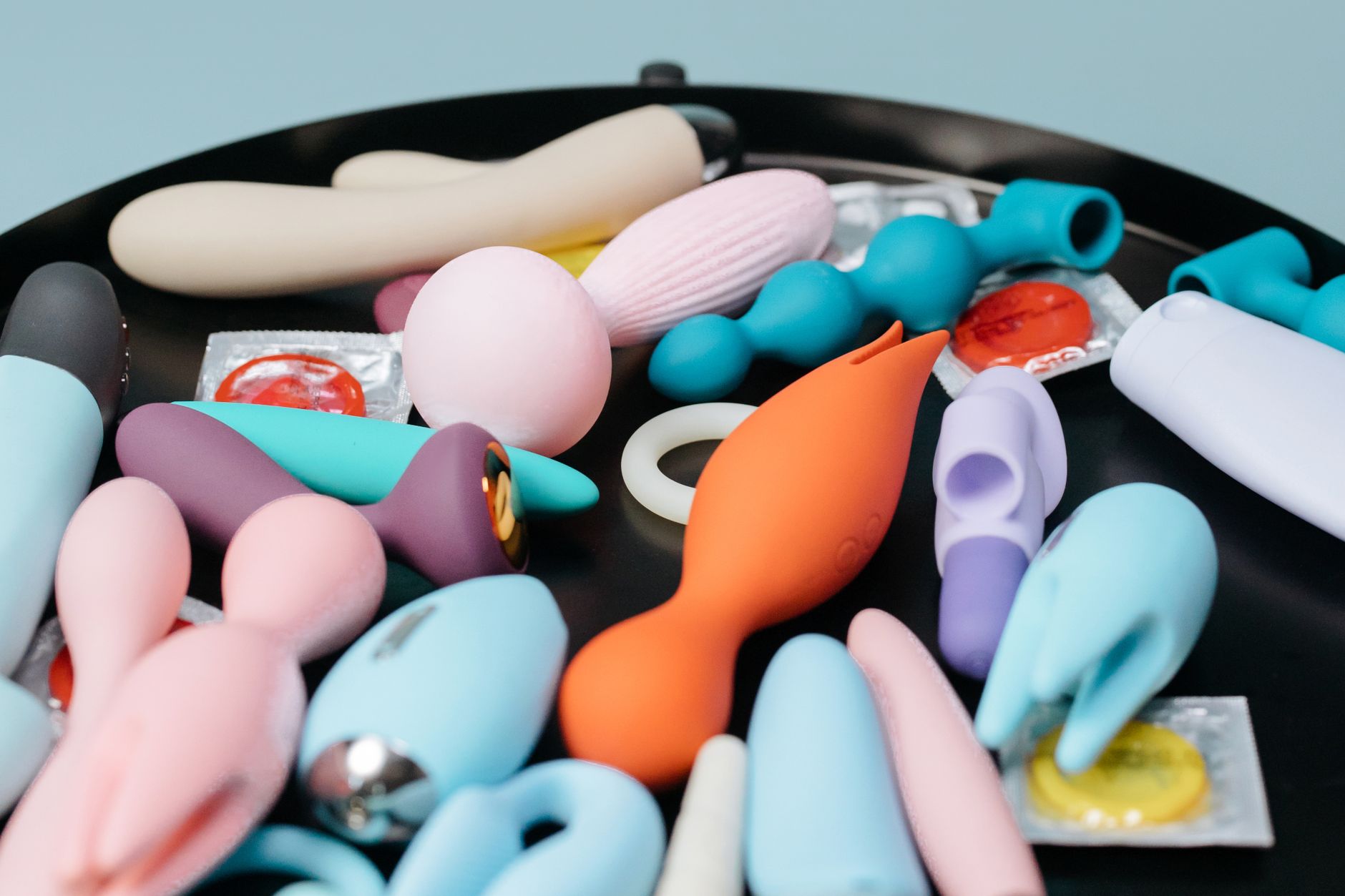
How to Use a Lemon Vibrator When Solo Play Feels Intimidating After Years Away
You stopped touching yourself. Life happened. Now you're wondering if you can find your way back. Here's how to rebuild that connection, without the guilt.
You used to touch yourself. Maybe it was regular, maybe it was occasional. Then something shifted. A relationship started. Stress took over. Life got full. And at some point you stopped, and the stopping became so normal that restarting felt impossible.
Now you're thinking about solo play again, and it doesn't feel like coming home. It feels like showing up at a place you used to know and finding the locks have changed.
That's not broken. That's just what happens when we disconnect from ourselves for long enough.
There's a physical piece to this. Your body's nervous system needs reminding. The neural pathways for pleasure take time to reactivate when they've been dormant. This isn't shame. This is neurology.
But the harder part is usually not physical. It's the permission piece.
When you've spent years not touching yourself, one of two things typically happened. Either you felt guilty about it (internalized the idea that solo play was selfish, childish, or unnecessary). Or you genuinely forgot it was an option, which is its own kind of loss.
Both of those leave a mark. Both create a little voice that says "who are you to be doing this now?" That voice is louder than the actual urge to pleasure yourself.
I work with many people who stepped away from solo play because they moved in with a partner. There's an unspoken rule in many relationships: if you're having sex with someone, solo play isn't necessary. Sometimes this rule is spoken. Often it's just implied.
Other times, solo play stopped because of specific feedback. A partner saw toys and made a comment. Or you felt watched in a way that killed the experience. Or you internalized an idea from your family or culture that your own pleasure wasn't something you got to prioritize.
The reason this matters is that returning to solo play isn't just about adding a tool. It's about separating your pleasure from other people's approval.
A lemon clitoral vibrator makes that easier because it gives you permission to focus on sensation in a way that fingers alone don't always provide. There's something about introducing a tool that says: this is for me, this is intentional, this matters.
Your first solo session after years away doesn't need to be perfect. It needs to be yours.
Set aside 30 to 45 minutes when you're genuinely alone and won't be interrupted. Not rushed. Not half-listening for footsteps. This is important because your nervous system needs to feel safe enough to activate. When you're braced for interruption, arousal can't build.
Start with your body without any toy. Touch your own skin for five to ten minutes. Neck, chest, thighs. Not necessarily genitals. The point is to remember that your body generates sensation. You're not broken. You're just relearning a conversation.
When you introduce the lemon vibrator, start on the lowest setting. Don't go looking for orgasm. That's not the goal yet. The goal is to notice sensation. Does it feel good? Does it feel overwhelming? Does it feel neutral? All of those are fine. You're gathering data about what your body needs right now.
When you've been away from solo play, your clitoris has likely become more sensitive in some ways and less responsive in others. A lemon clitoral vibrator uses gentle suction rather than direct vibration, which means you're not hammering sensitive tissue.
That matters because the gap between "I'm not feeling anything" and "oh god that's too much" is narrower when you're restarting. Suction gives you more control and more nuance.
Also: a tool that's specifically designed for pleasure signals something to your brain. Using your fingers feels familiar but also feels like you're "supposed" to know what to do. Using a lemon vibrator from Try Lemon Toys says "I'm trying something new. I'm allowed to learn."
If you've been away from solo play for years, your brain has probably learned to dismiss your urges. You stopped reaching for yourself, so eventually the reach stopped happening.
Rebuilding that is a practice, not an event.
Start scheduling solo time like you'd schedule any other self-care. Tuesday evening. Saturday morning. The specificity matters because it removes the decision paralysis. You're not waiting to "feel like it." You're showing up because you said you would.
The first few times will feel awkward. You might feel disconnected from sensation. You might feel guilty. You might feel nothing at all. All of that is completely normal and completely temporary.
The thing that changes this is repetition. Your nervous system learns through repetition that this is safe. That your pleasure matters. That you deserve to prioritize your own sensation.
After about three to four weeks of consistent practice, most people report that the experience shifts. Not because their body changed, but because their brain finally believed they were actually going to keep showing up.
If you have a partner, you might be worried about what solo play means for your relationship. Does it mean you're not satisfied? Does it mean you're pulling away?
But here's the thing: you don't have to tell your partner if you don't want to. Solo play is solo. It's yours. The guilt you're feeling isn't coming from your relationship. It's coming from the idea that your pleasure should be visible or approved or explained.
Your body is not a service you provide. Your pleasure is not a favor you do for someone else. It's a thing you deserve to have, whether or not anyone else knows about it.
Here's what usually happens: you turn it on, you try it, and somewhere between minutes two and five, something shifts. Your brain stops narrating. Your body stops performing. You just feel.
That might take longer than you expect. That's fine. You're not on a timeline.
What matters is that you showed up. You let yourself try. You gave your body permission to feel pleasure again, without an audience, without a deadline, without anyone else's approval.
That's the real work. The lemon vibrator is just the tool that makes it easier.
That depends entirely on the relationship and your comfort level. Many couples find that talking about solo pleasure reduces shame and increases intimacy. Others prefer to keep that private. Neither is wrong. Solo play is intentionally solo. You get to decide what gets shared.
Most people report that the first two to three sessions feel awkward or disconnected. By week three or four of consistent practice, something shifts. You start to feel present. This timeline varies wildly depending on how much shame or disconnection you're carrying, but three to four weeks of regular practice is a reasonable baseline.
Absolutely. Numbness often returns gradually as you practice. The suction sensation on a clitoral vibrator can actually help wake up nerve endings over time. Start on the lowest setting and focus on sensation rather than orgasm. Your responsiveness will build.
That guilt almost always softens with repetition. Your nervous system is learning that this is safe and allowed. The guilt is familiar. The permission is new. Give it a few weeks. The permission typically wins.
You don't have to, but many people find it makes the experience feel more comfortable, especially when they're coming back after a long break. A water-based lubricant works well with silicone toys and can reduce any sense of irritation as you're relearning sensation.
Completely normal. You're reactivating neural pathways that have been quiet. Orgasm will come back, but it's not the goal right now. The goal is sensation. Permission. Showing up for yourself. The orgasms are just a bonus that tends to arrive once you're actually present.
You've touched yourself before. Your body remembers. Your nervous system remembers. The only thing that's changed is time, and time can be reversed with patience and repetition.
A lemon vibrator isn't magic. It's just a tool that makes it easier to focus on sensation when your brain keeps trying to distract you with shame. The real work is showing up. Keeping the appointment you made with yourself. Letting yourself feel pleasure without apology.