How to Use a Lemon Vibrator When Recovery From Injury Limits Movement
Injury doesn't mean putting pleasure on hold. Here's how to stay connected to your body using adaptive positioning, the right tools, and a little problem-solving.
Injury recovery is hard enough without adding sexual shutdown to the list. But that's exactly what happens for most people. Pain limits movement, immobilization makes positioning feel impossible, and somewhere between the ice packs and the physiotherapy, pleasure just quietly disappears from the conversation.
It doesn't have to. What changes during recovery is the approach, not the capacity. Your body can still feel pleasure, still respond, still reach orgasm. It just needs permission to do it differently.
When you're injured, your nervous system is already in protection mode. Pain signals are loud. Swelling limits range of motion. Depending on where you're injured, even lying down wrong triggers compensation patterns that make everything hurt worse.
Here's the thing though. Pleasure actually works with your nervous system during recovery, not against it. Orgasm increases blood flow, releases endorphins, and signals your brain that your body is safe enough for something other than threat response. That's not frivolous. That's medicine.
The trick is removing the pressure for explosive orgasm or extended sessions. Recovery-era pleasure is about microdoses. A few minutes of focused stimulation. Positions that don't aggravate the injury. Tools that do the work so your body doesn't have to.
When you're recovering from injury, your upper body, lower body, or core is already compromised. Any movement you make has to count. That's where clitoral vibrators like the Lemon become genuinely useful, not just nice.
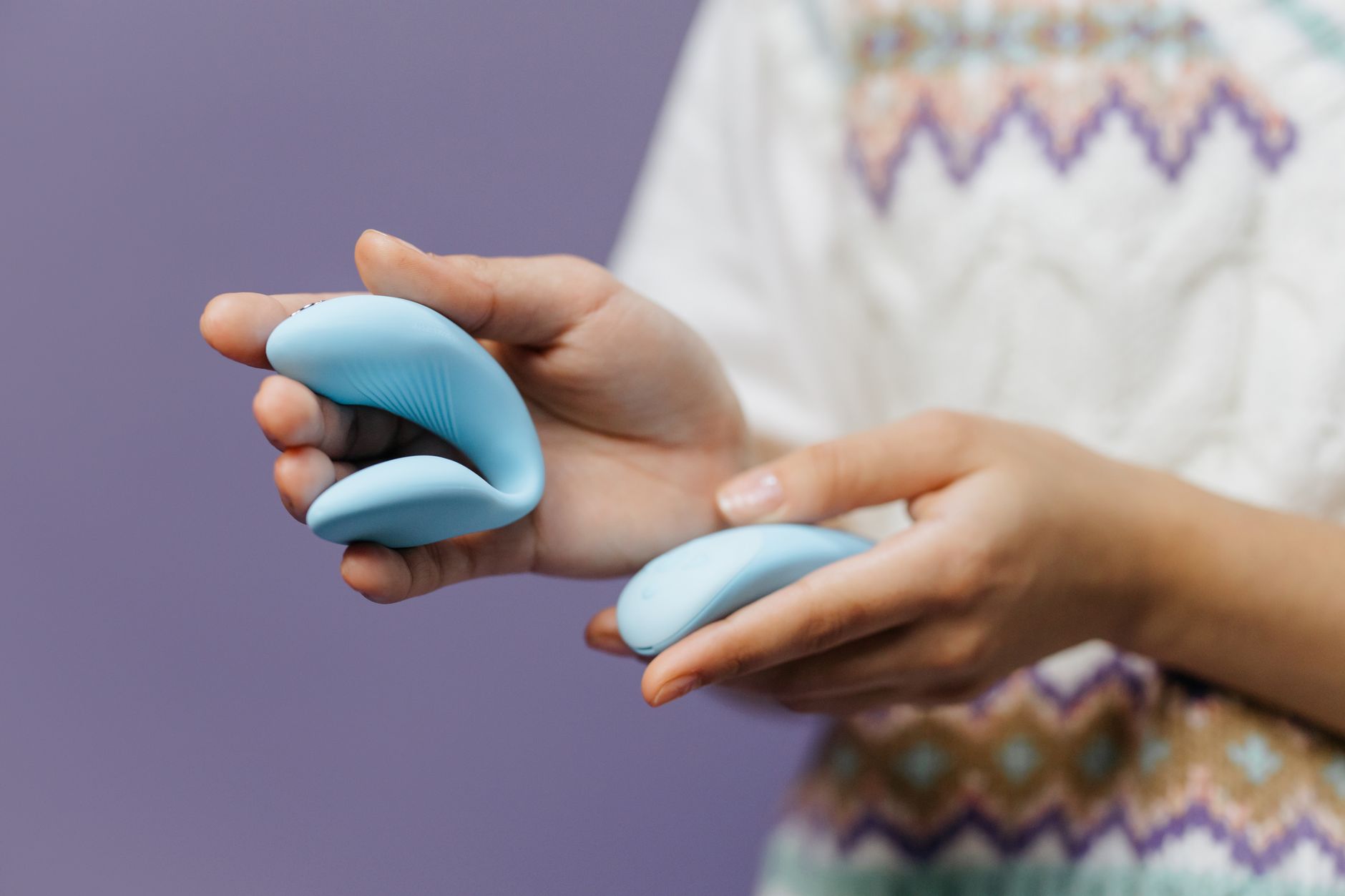
Unlike manual techniques or partnered play that requires you to move or direct pressure, a lemon clitoral vibrator sits on the body and does the stimulation. No thrusting. No grip strength required. No holding yourself in a position that triggers pain.
The suction action of a lemon vibrator also means you don't need friction, which matters if you're recovering from pelvic surgery, lower back injury, or anything that makes repeated motion risky. Suction stimulates nerves without requiring movement from you. That's the entire point.
Leg or ankle injury. You're immobilized from the knee down or your ankle is unstable. Lying on your back with pillows supporting the injured leg works best. The injured leg stays elevated and still. You can reach your clitoris without bending or twisting. A lemon sucker placed directly on the clitoris means zero upper body involvement.
Lower back or spinal injury. Lying flat is often the safest option. Avoid any arching or twist. Pillows under the knees help decompress the spine. Here, a handheld device like the Lemon gives you control from a completely neutral spine position. You're not reaching, not twisting, just guiding a tool that does the work.
Shoulder, arm, or upper back injury. This is where hands-free positioning saves you. If your dominant arm is injured, you can't hold a device in the usual way. But a handheld lemon clitoral vibrator held by your uninjured hand works fine. Or, partner play becomes genuinely easier because your partner can hold and operate the device while you stay still.
Abdominal or core injury. Coughing hurts, laughing hurts, orgasms might feel risky because they engage the core. This one needs extra gentleness. Shorter sessions. Lower intensity settings if your lemon vibrator has them. The goal is gentle nerve stimulation, not the kind of full-body contraction that comes from intense orgasm. If Try Lemon Toys offers adjustable intensity, start at the lowest setting.
If you're used to higher intensity lemon sexual toys or stronger suction, recovery is the time to downshift. Your nervous system is primed to perceive threat. Gentler stimulation is less likely to trigger protective muscle tension or pain.
The other piece: intensity during recovery might feel weaker because your body's pain signals are dampening some sensations. That's not permanent. It's a temporary recalibration. As healing progresses, sensation usually returns.
There's a difference between discomfort from positioning and actual pain from stimulation. Discomfort feels like pressure or awkwardness. Pain feels sharp or radiating.
If pain shows up, stop. Not because pleasure is dangerous, but because pain is information. It means you hit a boundary. Move the device, change position, or try again in a few days. Your body is telling you what it needs.
If you're in a partnered situation, the conversation matters. Pain and recovery can make sex feel off-limits because the logistics feel complicated. But pleasure during recovery isn't about replicating what you did before.
Honesty works best here. "My injury limits what I can do physically, but I still want to feel good. Can we figure out how that works?" That shifts the conversation from "I can't have sex" to "We need a different approach."
A partner can hold a lemon vibrator for you. They can help you position pillows. They can be present without expecting reciprocation. These aren't Plan B versions of intimacy. They're just different versions, and often they're what reconnects you both to pleasure in a way that honors your actual reality right now.
Early recovery (weeks 1-3): Pleasure might feel distant. Pain medications, inflammation, and general discomfort make arousal harder. Short, gentle sessions if anything. The goal is reconnection with your body, not orgasm.
Middle recovery (weeks 4-8): Your body starts to adjust. Pain decreases slightly. You might have windows of lower pain where pleasure feels possible. Slightly longer sessions. You can experiment with positioning now.
Late recovery (weeks 8+): As mobility returns, more options open up. But even here, lemon clitoral vibrators remain useful because they're low-effort and high-reward.
Here's what I tell clients: pleasure isn't a reward you earn after you're fully healed. It's something your body needs during recovery. It reduces stress, improves mood, supports the nervous system's ability to shift out of protection mode.
Yes. Pain medication might dull sensation slightly, so you might need to adjust expectations about intensity or speed of arousal. But it doesn't make pleasure impossible. You might need slightly longer warm-up time or more focused stimulation. Pay attention to what your body needs rather than replicating your pre-injury experience.
You don't have to lie down. Reclined in a comfortable chair works. Semi-reclined with lots of pillows works. Sitting upright with the device held by a partner works. The key is finding a position where the injured area feels supported and stable. Experiment gently.
Depends on the dysfunction and what caused it. Suction-based stimulation is often gentler than other techniques because it doesn't require friction or deep pressure. But if your pelvic floor is in active recovery, check with your physical therapist first. They can tell you if suction-based pleasure is safe right now.
Recovery isn't linear. Numbness often improves as inflammation decreases and nerve pathways reset. Weeks 4-12 typically show the most dramatic changes. If numbness persists beyond that, talk to your doctor. Some injuries need longer recovery. Some need different treatment. But the absence of sensation right now doesn't predict the future.
Most injuries don't require complete pleasure shutdown. But severe pelvic surgery, active spinal cord injury, or conditions requiring complete immobilization do need professional guidance. Ask your doctor or physical therapist specifically. "Is genital stimulation safe during my recovery?" gets a clear answer.
This is where hands-free pleasure becomes a bridge. A partner can be present and involved while you use a lemon clitoral vibrator. They can be close, can touch you in ways that don't aggravate the injury, can participate in pleasure without requiring movement from you. It's not the same as partnered sex, but it's intimate and it's possible.
Injury recovery is temporary. Your limitations right now aren't permanent. But while you're in it, pleasure doesn't have to go on pause. A lemon vibrator gives you options that don't require movement, don't require strength, and don't require compromise on sensation. Your body deserves that care, even now.
If you're navigating recovery and pleasure feels confusing or impossible, that conversation is worth having with someone. Your physical therapist, your doctor, a therapist who specializes in sexual health. You're not being difficult or demanding by wanting to feel good. You're honoring what your body needs to heal well.