Let's name what's actually happening
Your skin feels like it's humming. Direct touch makes you flinch. The idea of something vibrating against you feels like it would shatter you into pieces. If that's where you are right now, you're not broken. You're overwhelmed.
Sensory overload during intimacy shows up differently for everyone. For some people it's a trauma response. For others it's burnout, stress, or just a nervous system running on fumes. Sometimes it's neurological. The why matters less than the fix: you need a way back to pleasure that doesn't involve forcing yourself through stimulation that makes your body recoil.
The good news? A lemon vibrator, used differently, can actually be your pathway back. Not despite your sensitivity. Because of it.
Why vibrators fail for sensory-sensitive people (usually)
Most vibrators are designed for one thing: intensity. They build up fast, peak hard, and keep going. If your nervous system is already in overdrive, that acceleration feels like a threat, not pleasure. Your body clamps down. Nothing feels good. Then you add the shame of "why can't I just enjoy this?"
That's the wrong tool for the job.
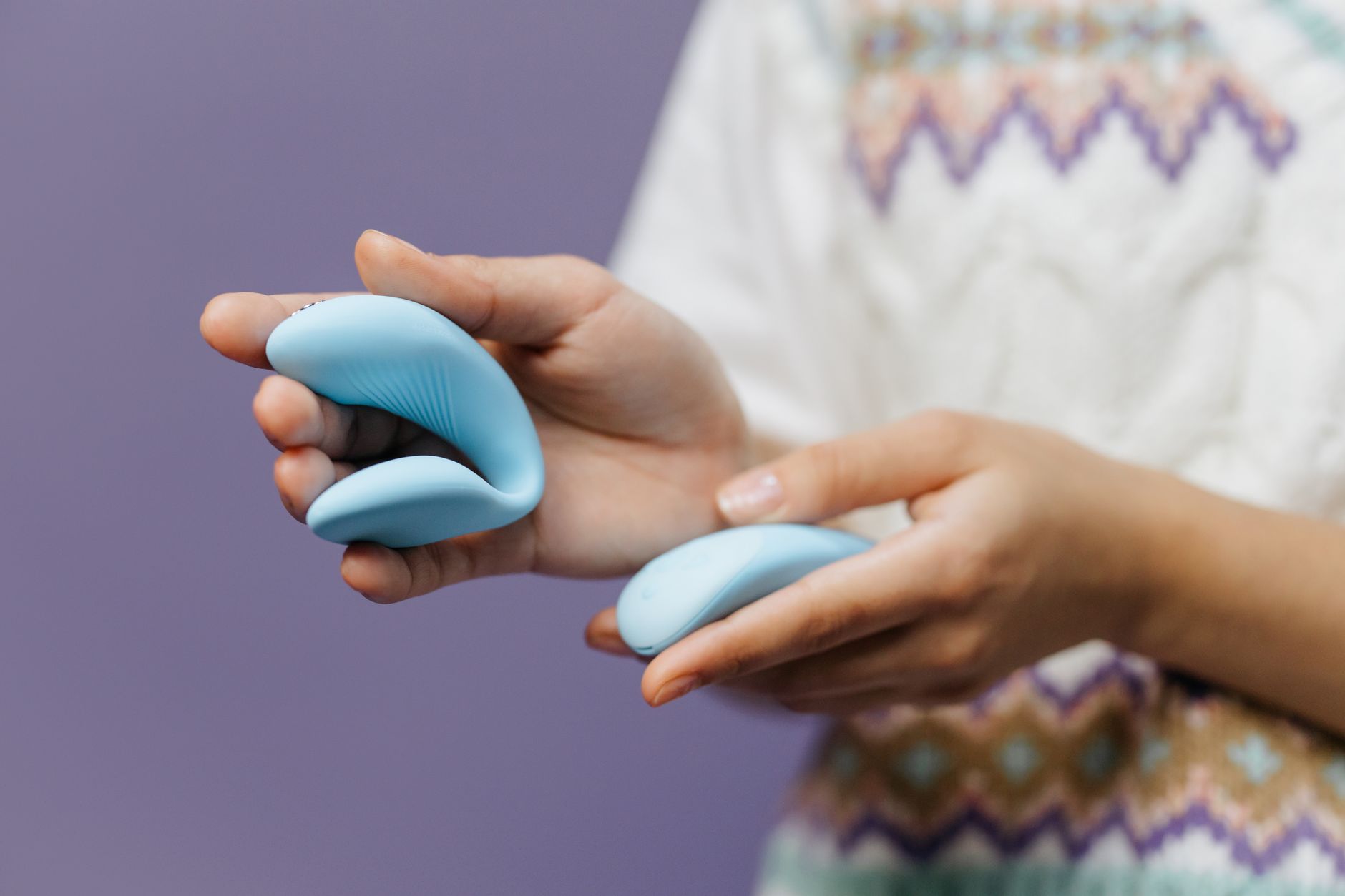
A lemon clitoral vibrator is different. It uses suction and pulsation instead of direct vibration. That matters hugely when sensation feels overwhelming. Suction distributes pressure more gently across a wider area of tissue, and the rhythmic pulses are less aggressive than the constant buzz of a traditional vibrator. You get stimulation without the sensory assault.
But using it right takes intention.
Start with the lowest setting, longest distance
Here's the actual first step: don't put it directly on your clitoris.
Yes, that's the whole design. And yes, I'm telling you to ignore it for now. Use the tip of the lemon vibrator on the surrounding tissue first. The inner labia, the area around the clitoris, even your inner thigh. Let your body register that vibration is happening and that it doesn't hurt.
This priming phase usually takes 5-10 minutes. Your nervous system needs time to downshift from "threat" to "okay, this is safe." Rushing skips the most important part.
Once that surrounding tissue feels warm and you notice some natural response, then move closer. Still on the lowest setting. Still taking time between movements. No rushing toward climax. The goal right now is just sensation recognition, not orgasm.
The rhythm of permission
When overwhelm is your baseline, pleasure lives in rhythm and predictability.
Instead of continuous stimulation, use the lemon vibrator in patterns. Two pulses, pause. Three pulses, pause. Let your body anticipate the rhythm instead of bracing against constant input. This pause-and-resume approach actually trains your nervous system to trust the sensation. You know when it's coming. You know it'll stop. That predictability is the opposite of overwhelming.
Most lemon vibrator models have 3-5 pattern options. Ignore the fancy ones for now. Find the slowest, most regular pulse and stay there. Your brain will literally relax faster when it can predict what's coming next.
The two-minute rule and why stopping early matters
You'll have an instinct to keep going. Don't.
When sensory overwhelm is your pattern, your nervous system has learned that pleasure equals pain or panic. You're retraining that association. Stop at about 80% of where you think you could go. Stop while it still feels good, before it starts to sting or feel raw.
This sounds backwards. It's actually crucial. Stopping early teaches your body that intimacy doesn't mean pushing through discomfort. It means respect for your own edges. Do this for a week or two. Your nervous system will start to anticipate pleasure instead of bracing for assault.
Lubrication changes everything for sensitive skin
Add water-based lubricant even if you think you don't need it.
When tissue is sensitized from stress or overwhelm, even light friction can feel abrading. A slick surface means the lemon vibrator glides rather than tugs. This single change often makes the difference between "this feels too much" and "oh, I can actually feel this."
Reapply every 3-5 minutes. Tissue that's already stressed dries faster. Keeping things slick keeps sensation gentle.
Build your own environment first
Your surroundings matter more than you think.
If sensory overload is your pattern, you're already managing a lot of input. Bright lights, temperature changes, unexpected sounds. All of that stacks. Before using a lemon vibrator, create a genuinely calm space. Dimmed light, comfortable temperature, phone on silent. Your nervous system needs to know it's safe before you add any stimulation.
Some people do this better with a partner nearby but not touching. Some need complete solitude. Some want music. Test what actually quiets your baseline activation, then protect that environment.
When to pause entirely
If after two weeks of this approach, sensation still feels chaotic, you might be dealing with something deeper than simple oversensitivity.
Vaginismus, trauma responses, or certain neurological conditions all show up as sensory overwhelm during intimacy. That's not a sign that toys won't work for you. It's a sign that you need support from someone who understands both the physical and nervous system components. A trauma-informed sex therapist or pelvic floor physical therapist can help you understand what's actually happening and create a pathway that works for your specific nervous system.
Using a lemon vibrator without that support is like taking painkillers for a broken bone. It might feel better in the moment, but it's not addressing the underlying issue.
The truth about sensation and trust
Here's what I've learned from clients working through this: overwhelm during intimacy almost always comes with a secondary problem. The overwhelm itself is manageable. The shame about the overwhelm is what breaks everything.
You're supposed to enjoy this. Your body is supposed to respond easily. Everyone else seems fine. So something is wrong with you. Except there isn't. You're just someone whose nervous system processes input more cautiously. That's not a flaw. It's information.
Using a lemon clitoral vibrator slowly, with intention, and with real respect for your own edges is actually the most trust-building thing you can do. You're teaching yourself that intimacy means listening to what you need, not overriding it.
That's the skill that changes everything.
Frequently asked questions
Can I use a lemon vibrator if I have sensory processing sensitivity?
Yes, but with modification. Start at the lowest setting, keep distance from the most sensitive areas, and use pause-and-resume patterns rather than continuous stimulation. Sensory processing sensitivity means your nervous system registers more detail in input. That's not a barrier. It's just a different way of processing. Using a lemon vibrator becomes about working with your sensitivity, not against it.
How long does it take for overwhelming sensation to feel manageable?
Most people notice a shift within 2-3 weeks of consistent, modified use. Your nervous system learns that vibration isn't a threat. The timeline depends on what caused the overwhelm in the first place. Recent stress or burnout shifts faster than trauma. Be patient with yourself. This is retraining, not repair.
Is lubrication always necessary, even if I don't have dryness?
For overwhelmed nervous systems, yes. Lubrication reduces friction, and reduced friction means gentler sensation. Even if your natural lubrication is fine, adding water-based lube creates a smoother surface and extends your comfort window. It's not about medical need. It's about sensory optimization.
Can I use a partner during this retraining process?
Yes, with clear communication. Tell them exactly what you're learning about your nervous system. Give them one job: observe without touching. Their presence can be grounding if you feel safe. Their absence can be exactly what you need if you've had touch feel unsafe. Both are valid. Experiment with what actually helps you relax.
What if the lemon vibrator still feels too intense even on the lowest setting?
There's no shame in needing even gentler input. Try using it through clothing or with even more distance from sensitive areas. Some people do better starting with their partner's hands, then moving to a vibrator once their nervous system registers that external touch is safe. You're not supposed to push through overwhelm. You're supposed to find your starting point and build from there.
How do I know if I need professional support versus just patience and practice?
If after four weeks of modified use, sensation still triggers panic or pain responses, reach out to a pelvic floor physical therapist or trauma-informed sex therapist. They can rule out vaginismus, pelvic tension, or nervous system dysregulation that would benefit from targeted intervention. Solo practice is powerful. Sometimes it needs to be paired with professional guidance. That's not failure. That's wisdom.
Your nervous system is not the enemy
Sensory overwhelm during intimacy gets framed as a problem to solve fast. As something to push through. As a reason to feel broken. It's none of those things. It's information about what your nervous system needs right now.
A lemon vibrator, used with real intention and respect for your own edges, becomes a tool for listening instead of fighting. Start slow. Use the lowest settings. Build rhythm and predictability. Stop while it still feels good. And if something isn't shifting after genuine effort, ask for help.
Your pleasure matters. Your nervous system's need for safety matters more. And learning to honor both is exactly what reclaiming intimacy looks like.